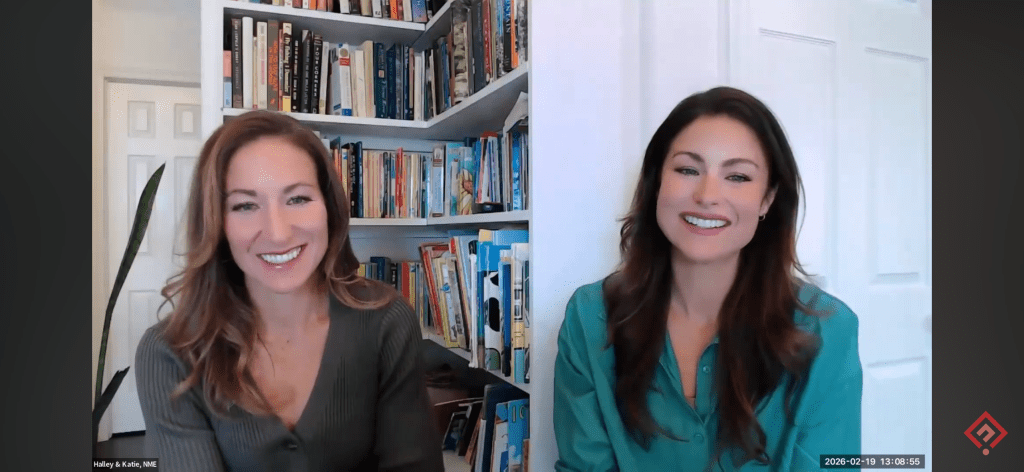
We recently joined the WHYTry community for a webinar on dysregulation in the classroom and it was one of those conversations that felt both practical and hopeful.
Representing Dr. Bruce Duncan Perry’s Neurosequential Model in Education (NME), we talked about what dysregulation actually means: being out of balance, often from too much stress or challenge and not enough support. Instead of needing the full “why,” we focus on what’s observable : state dependance and what a person needs in that state.
The Six Rs
We highlighted the Six Rs of The Neurosequential Model: relational, relevant, rewarding, rhythmic, repetitive, and respectful. These aren’t gimmicky (or just fun alliteration) they’re rooted in biology and development. When they’re present, we are more likely to feel balanced and our systems work. When they’re missing, we all tend to struggle more.
And this is where literacy comes in, something we’re deeply passionate about. Reading and writing require regulation and sequential skill development. If a student is dysregulated, accessing comprehension, sequencing, and working memory is neurologically harder. Sometimes it’s not a skill gap but an issue of state dependence or skill development our of sequence. The 6Rs can support us with this!
Bottom-Up and Adult Regulation
We also talked about regulation as bottom-up work. The lower brain responds to predictability, rhythm, repetition, and nonverbal cues. And adult regulation matters, our nervous systems set the tone or “controls the weather” in our spaces.
For educators feeling overwhelmed, we shared a simple starting point: look at what’s already working through the lens of the Six Rs. Build from strengths. You are already doing amazing work!
The WHYTRY community is such an incredible group of educators, and we’re so grateful to be in conversation with people this committed to resilience and connection. We left feeling hopeful and we can’t wait to be back soon!
If you’d like to watch:
YouTube: https://lnkd.in/g86FGGsN


 educationalaccessgroup.org
Leave a comment